
Exclusion.
Use appropriate barriers and wild-bird controls to help separate your operation from outside sources of contamination.
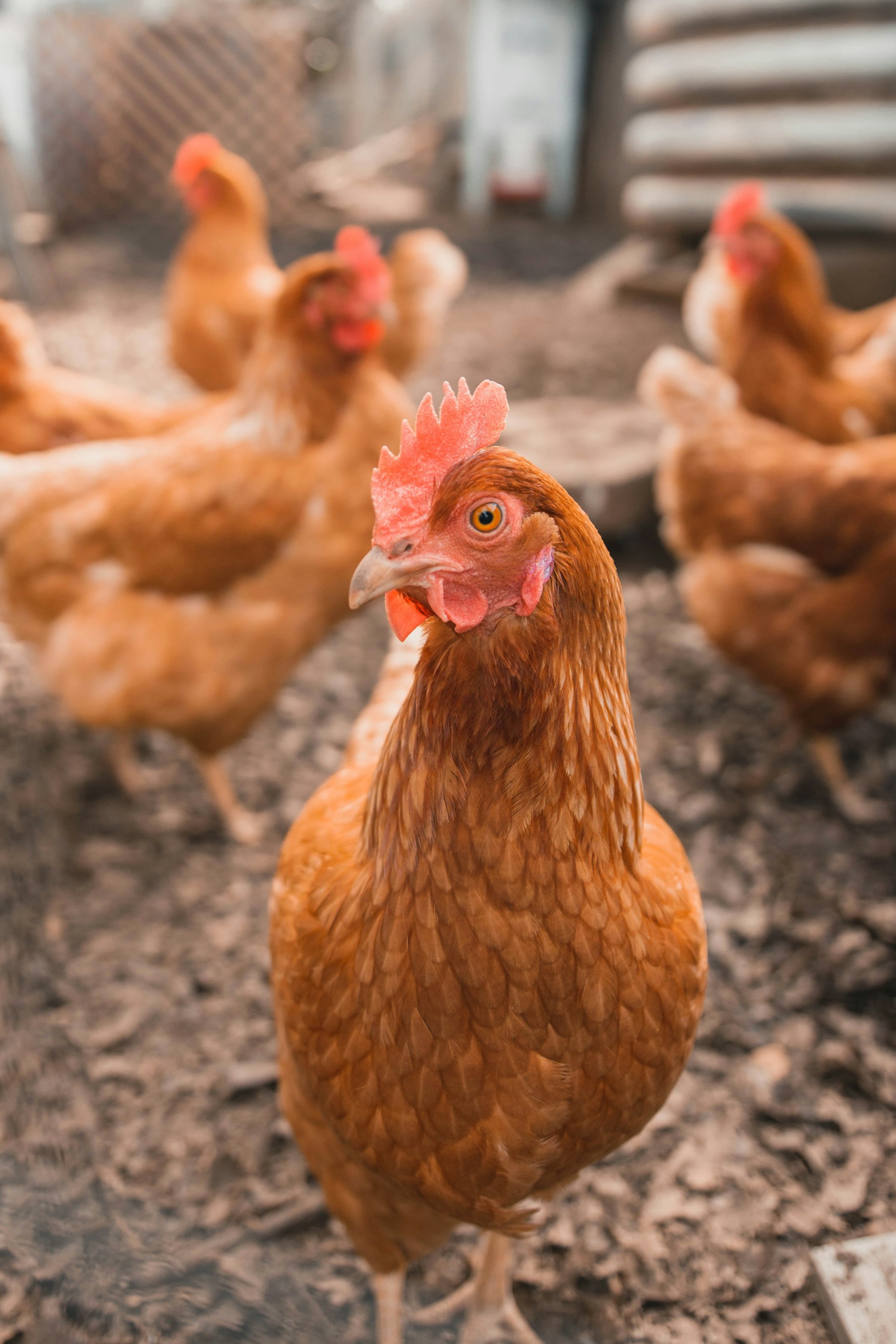
Build the sanitation layer of your biosecurity plan.
For the flock. For the people. For the operation.
Biosecurity is a system of everyday decisions.
Highly pathogenic avian influenza—HPAI—makes consistent preventive routines important for commercial and backyard poultry operations. Wild birds, footwear, tools, and vehicle movement can introduce contamination.
Danolyte’s role is environmental hygiene within a broader program. It complements physical barriers, controlled access, training, and veterinary guidance—it does not replace them.
Use appropriate barriers and wild-bird controls to help separate your operation from outside sources of contamination.
Train employees, manage waste, and document repeatable procedures for the movement of people and materials.
Control entry, manage visitors, and address footwear and vehicle movement between barns and zones.
Integrate cleaning and label-directed sanitation into daily standard operating procedures.
Build a consistent routine around your space, your surfaces, and the people who use them.
Assess floors, walls, entryways, tools, crates, and shared equipment. Remove organic soil before applying disinfectant as directed on its label.
Biofilm and organic buildup can complicate water-line hygiene. Work with your veterinarian and equipment provider on an approved maintenance protocol; confirm product suitability and label authorization before use.
Build controlled-entry procedures around footwear changes, cleaning, and approved boot-dip or mat practices. Organic loading and replenishment affect performance; follow the applicable product directions.
Consider worker handling, equipment compatibility, cleaning frequency, and documentation when integrating any product. Align changes with current agricultural guidance and the professionals responsible for your flock.
Danolyte is presented here as an environmental hygiene solution, not a veterinary treatment. Do not apply it to birds or assume approval for a particular disease, water system, or application without the appropriate product labeling and professional guidance.
Discuss your operation’s supply, application, and on-site production needs with Danolyte.
Talk to Danolyte